
Connect with us


.png)

Schedule a Consultation!
Understanding the Relationship Between Testosterone and Sleep in Men.
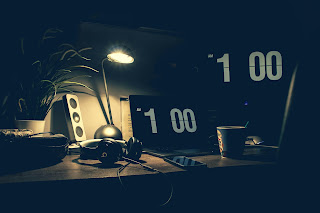
Physician-reviewed TRT & sleep education
Testosterone and Sleep: Can Low T or TRT Affect Sleep?
Sleep and testosterone are closely connected, but the relationship is not as simple as “low testosterone causes insomnia” or “TRT fixes sleep.” Poor sleep can suppress testosterone, while sleep apnea and testosterone treatment can complicate one another.
Medically reviewed by Dr. Timothy Mackey
Medical Director · Updated September 2026

4.9 Google rating
Accredited rating
Low-T evaluation and monitoring
The short answer
Insufficient or disrupted sleep can lower testosterone, but low testosterone is not a proven stand-alone cause of insomnia. Testosterone production follows a sleep-dependent circadian pattern, and severe sleep restriction can temporarily reduce testosterone concentrations.
TRT is not a sleeping medication. It may improve well-being in appropriately diagnosed hypogonadal men, but testosterone can also worsen sleep-disordered breathing in susceptible patients. Untreated severe obstructive sleep apnea is an important consideration before TRT.
Why sleep matters for testosterone production
Testosterone concentrations follow a daily rhythm and are influenced by sleep. Levels generally rise during sleep and are highest in the morning, which is one reason diagnostic testosterone testing is commonly performed in the morning.
Sleep duration, sleep continuity, circadian timing, age and health status can all influence the measured level. A low testosterone result obtained after major sleep disruption should therefore be interpreted in context rather than automatically treated.
Can sleep deprivation lower testosterone?
Yes. Experimental sleep restriction has demonstrated reductions in daytime testosterone in healthy young men. One frequently cited study found lower testosterone after a week of restricted sleep, but it was small and should not be interpreted to mean that every lost hour produces a predictable percentage decline.
Adding an hour of sleep does not produce a predictable increase in testosterone. Adequate sleep supports endocrine health, but individual responses vary.
Does obstructive sleep apnea cause low testosterone?
Obstructive sleep apnea (OSA) and low testosterone frequently occur together, especially in men with obesity and metabolic disease. Studies associate OSA severity and sleep fragmentation with lower testosterone, but obesity and other shared factors make causality difficult to isolate.
That distinction matters because treating OSA is important for cardiovascular, metabolic and daytime functioning even if testosterone does not rise substantially afterward.
Does CPAP raise testosterone?
Not reliably. Some individual studies have reported hormonal improvement after treatment of sleep apnea, but systematic reviews and meta-analyses have generally not shown a consistent significant increase in testosterone from CPAP alone.
CPAP should be used when clinically indicated to treat OSA—not as a testosterone-boosting treatment.
Can low testosterone cause insomnia?
The relationship is uncertain. Men with hypogonadism may experience fatigue, low mood, reduced libido and changes in well-being that coexist with poor sleep, but insomnia has many other causes and is not one of the more specific diagnostic features of testosterone deficiency.
A man with difficulty falling or staying asleep should not assume testosterone is the explanation simply because he also has a borderline hormone result.
Will TRT help me sleep better?
Not predictably. If a man's sleep is being disrupted indirectly by symptoms associated with genuine hypogonadism, successful treatment may improve overall well-being. But randomized evidence does not support prescribing testosterone primarily as a treatment for insomnia.
Persistent insomnia should be evaluated on its own merits, including sleep schedule, medications, alcohol, mental health, restless legs, pain and other contributors.
Can TRT worsen sleep apnea?
Testosterone can worsen sleep-disordered breathing in some susceptible men, particularly with higher exposures. The Endocrine Society recommends against initiating testosterone in men with untreated severe obstructive sleep apnea.
This does not mean every man with treated OSA is automatically excluded from TRT. It means OSA severity, treatment adherence, symptoms and individual risk should be considered before and during therapy.
Why sleep apnea matters for hematocrit on TRT
OSA can contribute to intermittent hypoxia and elevated hematocrit. Testosterone can independently stimulate red-blood-cell production. When both are present, a rising hematocrit deserves careful evaluation rather than simply assuming the testosterone dose is the only cause.
See our guide to hematocrit on TRT.
Signs that sleep apnea may be part of the problem
- Loud habitual snoring.
- Witnessed pauses in breathing or gasping during sleep.
- Morning headaches or dry mouth.
- Excessive daytime sleepiness.
- Difficulty concentrating despite adequate time in bed.
- Resistant hypertension.
- Obesity or increased neck circumference.
These symptoms do not diagnose OSA. A clinician may recommend formal sleep evaluation or a sleep study when appropriate.
Should sleep be addressed before testing testosterone?
Major chronic sleep problems should be part of the evaluation, but a patient does not need “perfect sleep” before testosterone can ever be measured. The key is recognizing factors that could temporarily suppress the result.
When testosterone is unexpectedly low after acute illness, major sleep deprivation or another transient stressor, repeating the measurement under more representative conditions may help avoid misdiagnosis.
How is low testosterone diagnosed when fatigue is the main symptom?
Fatigue and daytime sleepiness are nonspecific. Diagnosis requires compatible symptoms or signs plus consistently low testosterone concentrations measured appropriately. Repeat morning testing is generally recommended.
Evaluation may also include CBC, thyroid testing, metabolic assessment, medication review and sleep-apnea evaluation depending on the presentation. See our TRT blood-testing guide.
What if I already use CPAP and have confirmed low T?
Treated OSA does not automatically rule out testosterone therapy. The decision should consider OSA control, cardiovascular risk, baseline hematocrit, symptoms, repeat testosterone testing and other contraindications.
Patients should continue prescribed sleep-apnea therapy rather than assuming TRT replaces it.
Can testosterone timing affect sleep?
Formulation and dosing can affect testosterone exposure patterns. Injectable testosterone may produce peaks and troughs depending on dose and interval, while topical formulations provide daily exposure. Some patients report subjective changes in energy or sleep after dose changes, but symptoms should be evaluated rather than used as a reason to chase higher levels.
See our comparison of testosterone creams vs. injections.
Frequently asked questions
Does sleeping more increase testosterone?
Adequate sleep supports normal testosterone physiology, and severe sleep restriction can lower testosterone. But there is no reliable rule that each extra hour of sleep raises testosterone by a specific percentage.
Can low testosterone make you tired even after sleeping?
It can contribute to fatigue in men with true hypogonadism, but persistent daytime sleepiness also raises concern for sleep apnea, insufficient sleep, medications and other conditions.
Does TRT cure sleep apnea?
No. TRT is not a treatment for OSA and may worsen sleep-disordered breathing in susceptible patients.
Can I use TRT if I have sleep apnea?
Possibly, depending on severity and treatment status. Untreated severe OSA is an important contraindication in Endocrine Society guidance. Treated OSA requires individualized assessment.
Should I get tested for sleep apnea before TRT?
Not every man requires a sleep study before TRT. Men with loud snoring, witnessed apneas, excessive daytime sleepiness or other significant risk factors should discuss sleep evaluation with their clinician.
Fatigue, poor sleep and possible low testosterone?
NovaGenix can review symptoms, sleep history, medical conditions and appropriately timed testosterone testing before determining whether hormone treatment is warranted. Sleep-disorder evaluation may be recommended when symptoms suggest apnea or another primary sleep problem. Learn about Dr. Timothy Mackey, visit About NovaGenix, or review our TRT guide.
Call 561-277-8260 | Text NovaGenix | Schedule a Consultation
Medical references
- Endocrine Society: Testosterone Therapy in Men With Hypogonadism
- American Urological Association: Testosterone Deficiency Guideline
- Leproult & Van Cauter: Effect of 1 Week of Sleep Restriction on Testosterone Levels
- Review: Obstructive Sleep Apnea and Testosterone Deficiency
This article is educational and does not replace individualized medical advice, sleep-disorder diagnosis or treatment.
Questions about treatment options?
Speak with NovaGenix about physician-led evaluation, testing, and treatment options in Jupiter, Florida.
Medical disclaimer: This article is for general educational purposes only and is not medical advice, a diagnosis, or a treatment recommendation. Reading it does not create a physician-patient relationship. Always consult a qualified healthcare professional about your individual circumstances, and never delay seeking care because of something you read here. If you are experiencing a medical emergency, call 911. Read our full Medical Disclaimer.

Contact Us
Blood Work Request Form

609 N Hepburn avenue suite 106. Jupiter, Florida 33458

609 N Hepburn avenue suite 106. Jupiter, Florida 33458

561-277-8260

Schedule a Consultation
Learn what you want to know about hormone therapy by scheduling a free consultation.
Contact Us Today609 N Hepburn Ave Ste 106, Jupiter, FL 33458
Monday - Friday: 9:00 am - 5:00 pm | Saturday-Sunday: Closed